


Hey there, fellow bird lovers and pet food enthusiasts! I'm a supplier in the bird food packaging game, and today I wanna dive into a question that's been buzzing around in the industry: Can bird food packaging be made resistant to tearing?
Let's start by understanding why tear - resistant packaging is such a big deal. When you're dealing with bird food, you've got all sorts of challenges. Birds are often quite active around their food, and there's a good chance that the packaging might get bumped, scratched, or even pecked at. Plus, during the transportation process, packages can be jostled around, and rough handling can lead to tears. A torn package not only looks bad but can also let in moisture, pests, and air, which can spoil the bird food inside.
So, can we actually make packaging that can withstand all these potential threats? The answer is a resounding yes! There are several materials and techniques that we can use to create tear - resistant bird food packaging.
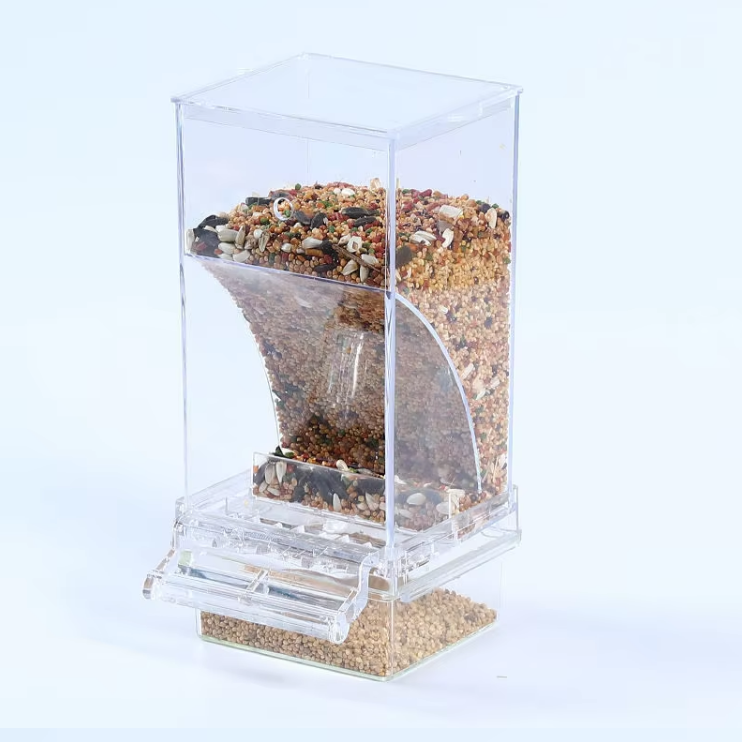
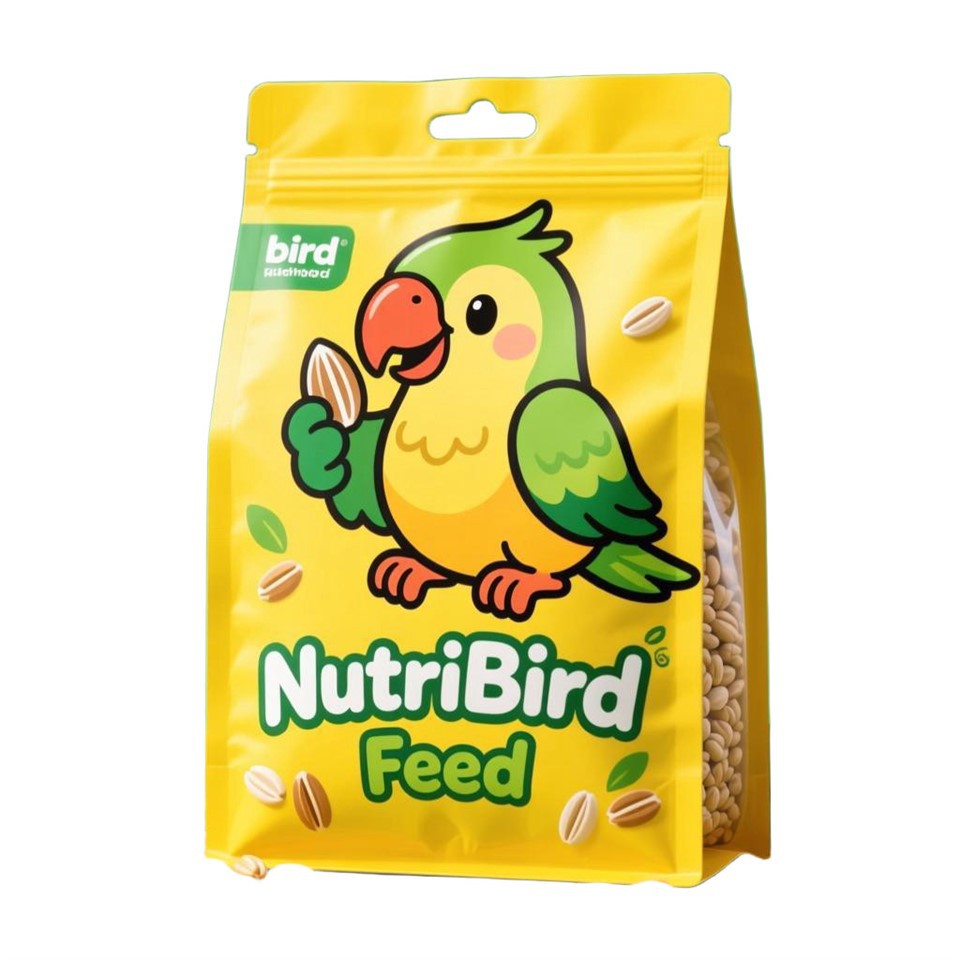
One of the most common materials is high - density polyethylene (HDPE). HDPE is a strong, durable plastic that has excellent tear resistance. It's also lightweight, which is great because it doesn't add too much extra weight to the package, reducing shipping costs. HDPE can be molded into different shapes, like Bird Food Container Large, which are perfect for storing large quantities of bird food. These containers are tough enough to handle the rigors of daily use and transportation.
Another option is laminated materials. Laminating involves bonding two or more layers of different materials together. For example, you can laminate a layer of paperboard with a layer of plastic film. The paperboard provides a nice surface for printing labels and branding, while the plastic film adds tear resistance. This combination also helps to keep the bird food fresh by providing a barrier against moisture and oxygen. Laminated packaging can be used for Bird Seed Packaging, which is a popular choice among bird owners.
We can also use reinforced fibers in the packaging. Fiberglass or Kevlar fibers can be added to the packaging material to increase its strength. These fibers act like a net, holding the material together even when it's under stress. This technology has been used in other industries for a long time, and it's now making its way into the bird food packaging market.
But it's not just about the materials; the design of the packaging also plays a crucial role in tear resistance. For example, using rounded corners instead of sharp ones can reduce the stress points in the package. Sharp corners are more likely to tear because the force is concentrated in a small area. Rounded corners distribute the force more evenly, making the package more resistant to tearing.
Sealing techniques are also important. A strong, airtight seal can prevent tears from starting at the edges of the package. Heat sealing is a common method used in the industry. It creates a strong bond between the layers of the packaging material, ensuring that the package stays intact.
Now, let's talk about the benefits of tear - resistant bird food packaging. First of all, it protects the bird food. As I mentioned earlier, a torn package can lead to spoilage, which means the bird owner has to throw away the food and buy more. Tear - resistant packaging ensures that the bird food stays fresh for longer, saving the customer money in the long run.
Secondly, it enhances the brand image. When a customer buys a package of bird food that looks sturdy and well - made, they're more likely to trust the brand. Tear - resistant packaging shows that the supplier cares about the quality of their product and is willing to invest in good packaging.
Finally, it reduces waste. If the packaging doesn't tear easily, it can be reused or recycled more effectively. This is not only good for the environment but also for the company's bottom line.
As a bird food packaging supplier, I've seen firsthand the impact that tear - resistant packaging can have. Our customers are always happy when they receive a package that's in perfect condition. And we're constantly looking for new ways to improve our packaging, whether it's by using new materials or better design techniques.
If you're in the market for high - quality, tear - resistant bird food packaging, I'd love to have a chat with you. Whether you're a small pet store or a large distributor, we can work together to find the perfect packaging solution for your needs. Let's make sure that your bird food reaches your customers in the best possible condition.
In conclusion, bird food packaging can definitely be made resistant to tearing. With the right materials, design, and sealing techniques, we can create packaging that not only protects the bird food but also enhances the overall customer experience. So, if you're interested in learning more about our tear - resistant bird food packaging options, don't hesitate to reach out. We're here to help you take your bird food business to the next level.
References
- Packaging Technology Handbook, 3rd Edition
- Journal of Packaging Science and Technology
- Plastics in Packaging: Materials, Processing, and Technology


