


Do glass containers make good pet food packaging?
As a pet food packaging supplier, I've witnessed firsthand the diverse needs and preferences of pet owners and pet food manufacturers. One question that often arises is whether glass containers are a suitable option for pet food packaging. In this blog post, I'll delve into the advantages and disadvantages of using glass containers for pet food, and explore why they might or might not be the best choice for your pet food products.
Advantages of Glass Containers for Pet Food Packaging
1. Preservation of Food Quality
Glass is an inert material, which means it doesn't react with the pet food inside. This property helps to preserve the nutritional value, flavor, and aroma of the pet food for a longer period. Unlike some plastic containers that can leach chemicals into the food over time, glass provides a safe and stable environment for storing pet food. For example, glass containers can prevent the oxidation of fats in pet food, which can lead to rancidity and a decrease in the food's palatability.
2. Visibility
One of the significant advantages of glass containers is their transparency. Pet owners can easily see the contents of the container, which allows them to check the quality and quantity of the pet food at a glance. This visibility can also be beneficial for pet food manufacturers as it can help to build trust with consumers. When pet owners can see the ingredients and the condition of the food, they are more likely to feel confident in the product.
3. Reusability and Recyclability
Glass containers are highly reusable. Pet owners can wash and reuse the glass containers for various purposes, such as storing leftovers or other small items. Additionally, glass is 100% recyclable, which makes it an environmentally friendly option. Recycling glass reduces the demand for new raw materials and helps to conserve energy. By choosing glass containers for pet food packaging, pet food manufacturers can contribute to a more sustainable future. For more information on recyclable pet food packaging, you can visit Recyclable Cat Food Packaging.
4. Durability
Glass is a durable material that can withstand high temperatures and pressures. This makes it suitable for various types of pet food, including wet and dry food. Glass containers can also be sealed tightly, which helps to prevent the entry of air, moisture, and pests. This ensures that the pet food remains fresh and safe for consumption.
Disadvantages of Glass Containers for Pet Food Packaging
1. Weight
One of the main drawbacks of glass containers is their weight. Glass is heavier than plastic or paper packaging, which can increase the shipping costs and make it more difficult to handle. This can be a significant concern for pet food manufacturers, especially those who need to transport large quantities of pet food.
2. Fragility
Glass is a fragile material that can break easily if dropped or mishandled. This can pose a safety risk to pet owners and their pets, as broken glass can cause injuries. Additionally, broken glass can contaminate the pet food, making it unsafe for consumption. To mitigate this risk, pet food manufacturers need to ensure that the glass containers are properly packaged and protected during shipping and handling.
3. Cost
Glass containers are generally more expensive than plastic or paper packaging. The cost of manufacturing glass containers is higher, and they also require more energy to produce. This can make glass containers a less cost-effective option for pet food manufacturers, especially those on a tight budget.
Considerations for Pet Food Manufacturers
When deciding whether to use glass containers for pet food packaging, pet food manufacturers need to consider several factors, including the type of pet food, the target market, and the budget.
1. Type of Pet Food
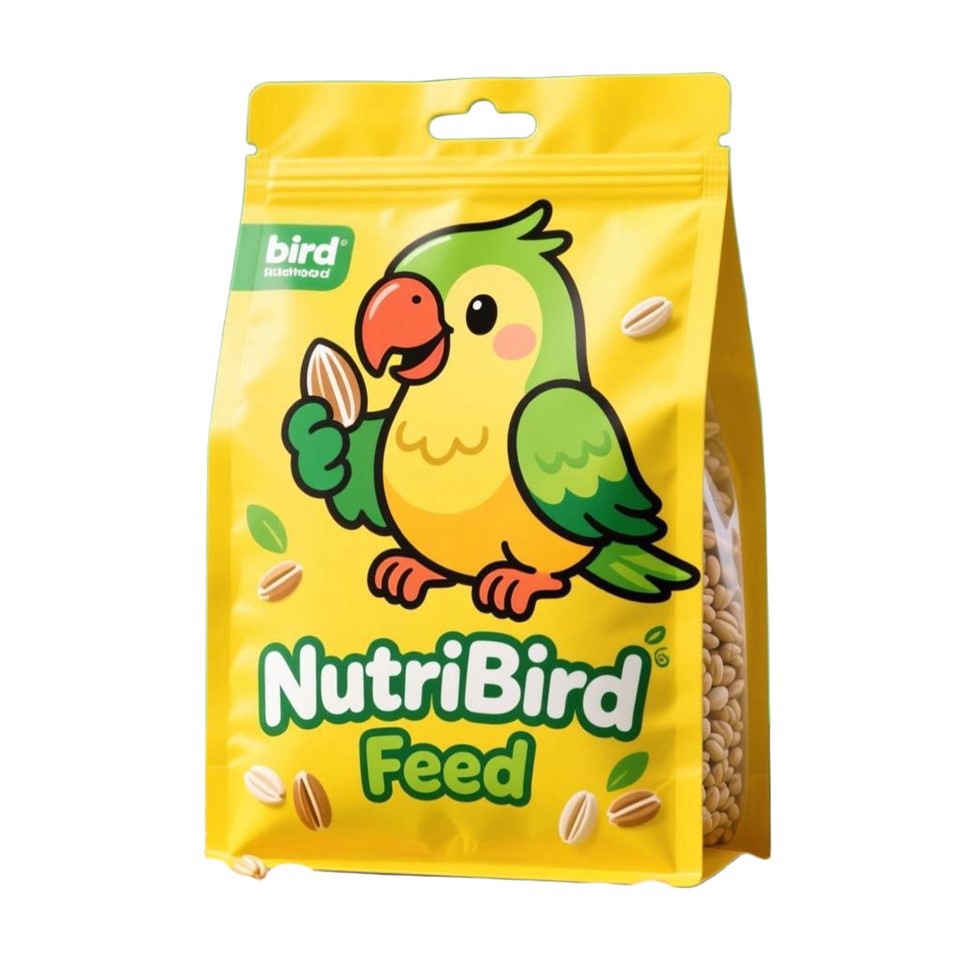
The type of pet food can influence the choice of packaging. For example, wet pet food requires a more airtight and moisture-resistant packaging to prevent spoilage. Glass containers are an excellent choice for wet pet food as they can provide a high level of protection. On the other hand, dry pet food may not require the same level of protection, and plastic or paper packaging may be a more cost-effective option.

2. Target Market
The target market can also play a role in the choice of packaging. Some pet owners may prefer glass containers for their perceived quality and environmental friendliness. Others may be more concerned about the cost and convenience of the packaging. Pet food manufacturers need to understand the preferences of their target market and choose the packaging that best meets their needs.
3. Budget
Budget is another important consideration for pet food manufacturers. Glass containers are generally more expensive than other types of packaging, so manufacturers need to weigh the benefits against the cost. If the target market is willing to pay a premium for high-quality packaging, then glass containers may be a viable option. However, if cost is a major concern, then plastic or paper packaging may be a better choice.
Conclusion
In conclusion, glass containers have both advantages and disadvantages as pet food packaging. They offer excellent preservation of food quality, visibility, reusability, and recyclability. However, they are also heavier, more fragile, and more expensive than other types of packaging. Pet food manufacturers need to carefully consider the type of pet food, the target market, and the budget when deciding whether to use glass containers for their products.
If you're a pet food manufacturer looking for high-quality pet food packaging solutions, we'd love to hear from you. Our team of experts can help you choose the right packaging for your products and provide you with customized solutions to meet your specific needs. Contact us today to start a discussion about your pet food packaging requirements.
References
- "The Benefits of Glass Packaging for Food and Beverages." Glass Packaging Institute.
- "Sustainable Packaging for Pet Food: A Review." Journal of Cleaner Production.
- "Pet Food Packaging: Trends and Innovations." Packaging World.


