


Hey there! As a supplier of Bird Seed Packaging, I've seen firsthand the challenges that come with ensuring the integrity of bird seed packaging during shipping. It's not just about getting the product from point A to point B; it's about making sure it arrives in perfect condition, so our feathered friends can enjoy a fresh and nutritious meal. In this blog post, I'll share some tips and tricks that I've learned over the years to help you keep your bird seed packaging intact during transit.
Understanding the Risks
Before we dive into the solutions, let's take a look at the common risks that bird seed packaging faces during shipping. These include:
- Physical Damage: Bumps, drops, and vibrations during transit can cause the packaging to tear, puncture, or break. This can lead to spillage, contamination, and loss of product.
- Moisture and Humidity: Bird seed is hygroscopic, which means it can absorb moisture from the air. If the packaging is not properly sealed, moisture can seep in and cause the seed to clump, mold, or spoil.
- Temperature Fluctuations: Extreme temperatures can also affect the quality of bird seed. High temperatures can cause the oil in the seed to go rancid, while low temperatures can make the seed brittle and more prone to breakage.
- Pests and Insects: Birds aren't the only ones who love bird seed. Pests and insects can also be attracted to the smell and taste of the seed, and they can easily find their way into the packaging if it's not properly sealed.
Choosing the Right Packaging Material
One of the most important steps in ensuring the integrity of bird seed packaging during shipping is choosing the right packaging material. Here are some factors to consider:
- Durability: The packaging material should be strong enough to withstand the rigors of shipping. Look for materials that are tear-resistant, puncture-resistant, and have good tensile strength.
- Barrier Properties: The packaging material should provide a good barrier against moisture, oxygen, and light. This will help to keep the bird seed fresh and prevent it from spoiling.
- Sealability: The packaging should be easy to seal and should provide a tight, secure seal. This will help to prevent spillage and contamination.
- Size and Shape: The packaging should be the right size and shape for the amount of bird seed you're shipping. A package that's too large or too small can increase the risk of damage during transit.
Some common packaging materials for bird seed include:
- Plastic Bags: Plastic bags are a popular choice for bird seed packaging because they're lightweight, flexible, and inexpensive. Look for bags that are made from high-density polyethylene (HDPE) or low-density polyethylene (LDPE) for maximum durability.
- Paper Bags: Paper bags are another option for bird seed packaging. They're biodegradable and can be recycled, making them a more environmentally friendly choice. However, paper bags are not as durable as plastic bags and may require additional protection during shipping.
- Metal Cans: Metal cans are a more expensive option for bird seed packaging, but they offer excellent protection against physical damage, moisture, and pests. Look for cans that are made from aluminum or steel and have a tight-fitting lid.
- Bird Food Container Large: These containers are designed specifically for storing and transporting large quantities of bird seed. They're usually made from plastic or metal and come in a variety of sizes and shapes.
Proper Packaging Techniques
Once you've chosen the right packaging material, it's important to use proper packaging techniques to ensure the integrity of the bird seed during shipping. Here are some tips:
- Fill the Package Properly: Make sure the package is filled to the appropriate level. Overfilling the package can cause it to burst, while underfilling it can increase the risk of damage during transit.
- Seal the Package Tightly: Use a heat sealer, tape, or zip tie to seal the package tightly. Make sure there are no gaps or holes in the seal.
- Add Cushioning Material: To protect the bird seed from physical damage during shipping, add cushioning material to the package. This can include bubble wrap, packing peanuts, or shredded paper.
- Label the Package Clearly: Label the package with the contents, weight, and any special handling instructions. This will help to ensure that the package is handled properly during transit.
- Use a Shipping Container: If you're shipping multiple packages of bird seed, consider using a shipping container. This will provide additional protection against physical damage and make it easier to transport the packages.
Shipping and Handling
In addition to choosing the right packaging material and using proper packaging techniques, it's also important to pay attention to the shipping and handling of the bird seed. Here are some tips:
- Choose a Reliable Shipping Carrier: Look for a shipping carrier that has a good reputation for handling fragile and perishable items. Make sure the carrier offers tracking and insurance options.
- Use the Right Shipping Method: Choose a shipping method that's appropriate for the size and weight of the package. If you're shipping a large quantity of bird seed, consider using a freight carrier.
- Handle the Package with Care: During transit, the package should be handled with care. Avoid rough handling, stacking heavy items on top of the package, or exposing the package to extreme temperatures.
- Track the Package: Use the tracking number provided by the shipping carrier to monitor the progress of the package. This will help you to identify any potential issues and take appropriate action.
- Inspect the Package Upon Arrival: When the package arrives, inspect it carefully for any signs of damage. If the package is damaged, contact the shipping carrier immediately to file a claim.
Quality Control
Finally, it's important to implement a quality control program to ensure the integrity of the bird seed packaging during shipping. Here are some steps you can take:
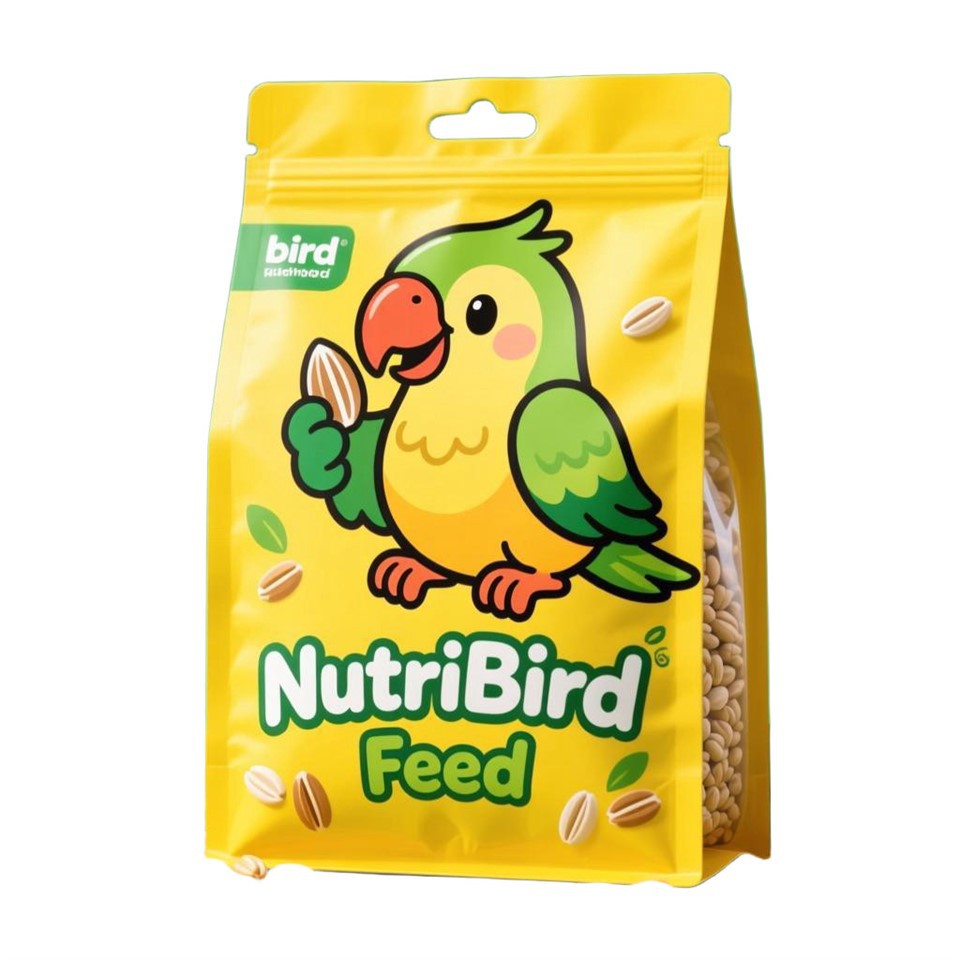
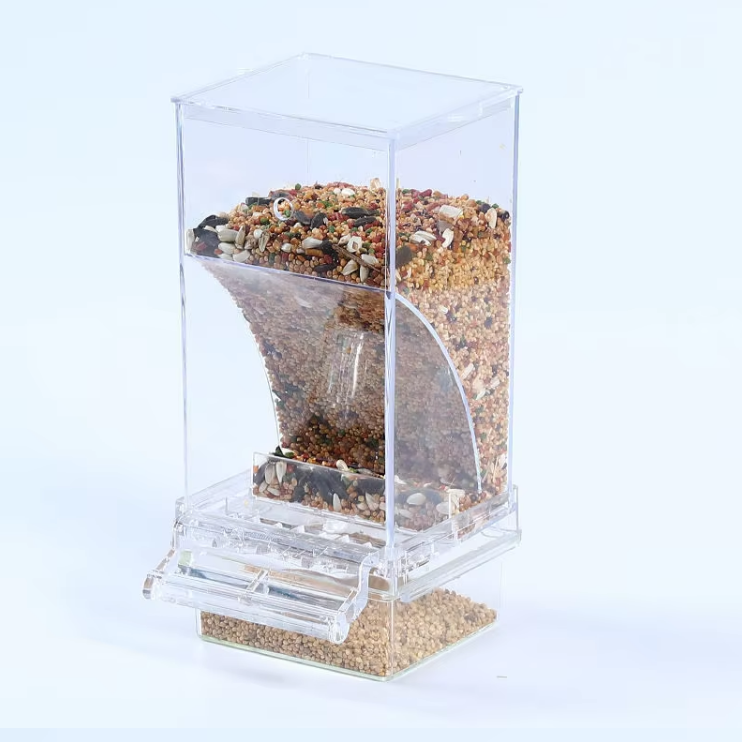
- Test the Packaging: Before you start shipping the bird seed, test the packaging to make sure it can withstand the rigors of shipping. This can include drop tests, vibration tests, and humidity tests.
- Inspect the Packaging Regularly: During the packaging process, inspect the packaging regularly to make sure it's in good condition. Look for any signs of damage, such as tears, punctures, or holes.
- Monitor the Shipping Process: Use the tracking information provided by the shipping carrier to monitor the shipping process. This will help you to identify any potential issues and take appropriate action.
- Get Feedback from Customers: Ask your customers to provide feedback on the condition of the bird seed packaging upon arrival. This will help you to identify any areas for improvement and make necessary changes to your packaging and shipping processes.
Conclusion
Ensuring the integrity of bird seed packaging during shipping is essential for providing a high-quality product to your customers. By choosing the right packaging material, using proper packaging techniques, paying attention to shipping and handling, and implementing a quality control program, you can minimize the risk of damage and ensure that your bird seed arrives in perfect condition.
If you're interested in learning more about our Bird Seed Packaging solutions or have any questions about ensuring the integrity of your bird seed during shipping, please don't hesitate to contact us. We'd be happy to help you find the right packaging solution for your needs and provide you with more information about our products and services.
References
- Packaging Machinery Manufacturers Institute (PMMI). (2023). Best Practices for Packaging Fragile and Perishable Items.
- United States Postal Service (USPS). (2023). Shipping Guidelines for Fragile and Perishable Items.
- International Safe Transit Association (ISTA). (2023). Testing Standards for Packaging and Shipping.


