


Hey there, fellow bird enthusiasts and pet store owners! I'm a supplier of bird food packaging, and I know firsthand how important it is to store these packages properly when they're not in use. Whether you're a small pet shop looking to keep your inventory organized or a large distributor managing tons of stock, the right storage methods can save you time, money, and headaches. So, let's dive into some tips on how to store bird food packaging effectively.
Why Proper Storage Matters
First off, why should you care about storing bird food packaging correctly? Well, there are a few good reasons. For starters, proper storage helps maintain the quality of the packaging. Bird food packaging is designed to keep the food fresh and protected from pests, moisture, and other elements. If the packaging gets damaged during storage, it won't be able to do its job effectively, which can lead to spoiled bird food and unhappy customers.
Secondly, organized storage makes it easier to find what you need when you need it. Imagine having to dig through a messy pile of boxes every time you need to restock your shelves. It's a waste of time and can be frustrating for your staff. By storing your bird food packaging in an organized manner, you can streamline your inventory management process and improve efficiency.
Choosing the Right Storage Space
The first step in storing bird food packaging is to find the right storage space. You'll want to choose a location that is clean, dry, and well-ventilated. Avoid areas that are prone to flooding, leaks, or excessive humidity, as these conditions can damage the packaging and the bird food inside.
A warehouse or storage shed is a great option for storing large quantities of bird food packaging. Make sure the space is secure and protected from pests, such as rodents and insects. You may also want to consider installing a climate control system to maintain a consistent temperature and humidity level.
If you don't have access to a warehouse, you can also store your bird food packaging in a garage, basement, or spare room. Just make sure the area is clean and free of clutter, and that the packaging is stored off the ground to prevent damage from moisture.
Organizing Your Storage Space
Once you've chosen the right storage space, it's time to organize it. Start by creating a layout that makes sense for your inventory. You may want to group the packaging by size, type, or brand to make it easier to find what you need.
Use shelves, racks, or pallets to store the packaging. This will help keep it organized and prevent it from getting damaged. Make sure the shelves are sturdy and can support the weight of the packaging. You may also want to label the shelves or bins to make it easier to identify the contents.
Another important tip is to keep the packaging off the floor. This will help prevent damage from moisture, pests, and other elements. You can use pallets or raised platforms to elevate the packaging.
Storing Different Types of Bird Food Packaging
There are several different types of bird food packaging, including bags, boxes, and containers. Each type of packaging requires a different storage method.
Bags
Bird food bags are typically made of paper, plastic, or a combination of both. They are lightweight and easy to store, but they can be prone to tearing and damage. To store bird food bags, make sure they are sealed tightly to prevent moisture and pests from getting inside. You can use clips or ties to seal the bags.
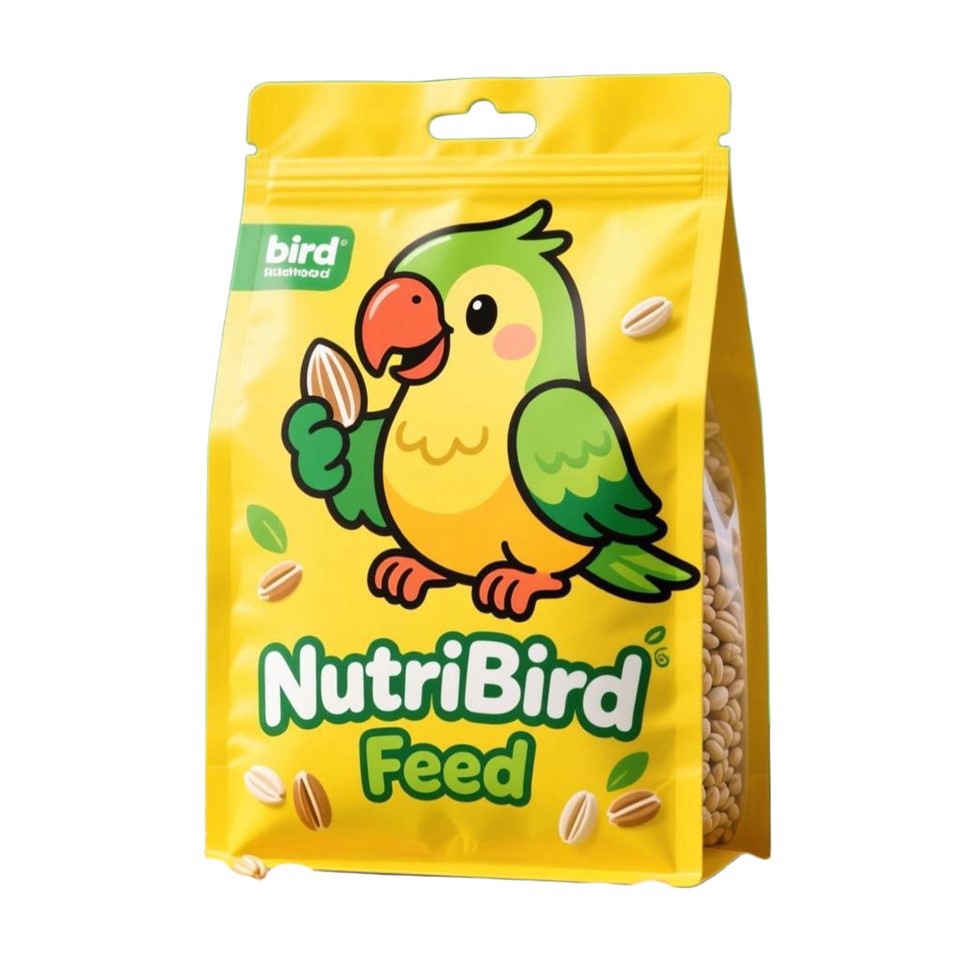
Store the bags on shelves or in bins to keep them organized. Make sure the shelves are sturdy and can support the weight of the bags. You may also want to stack the bags in a pyramid shape to prevent them from toppling over.
Boxes
Bird food boxes are usually made of cardboard or plastic. They are more durable than bags and can provide better protection for the bird food inside. To store bird food boxes, make sure they are stacked neatly and securely. You can use straps or bands to hold the boxes together.
Store the boxes on pallets or shelves to keep them off the floor. Make sure the pallets or shelves are sturdy and can support the weight of the boxes. You may also want to label the boxes to make it easier to identify the contents.
Containers
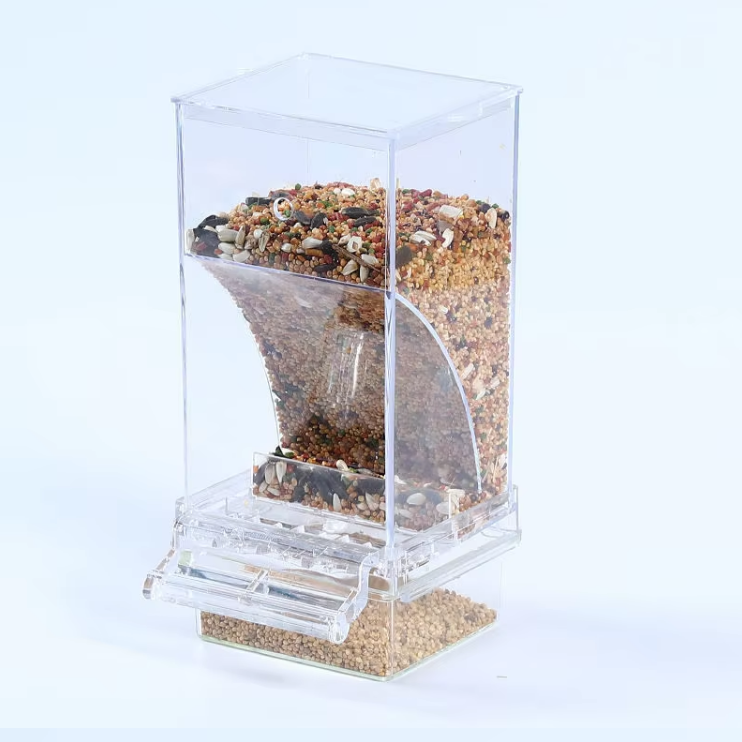
Bird food containers are typically made of plastic or metal. They are the most durable type of packaging and can provide the best protection for the bird food inside. To store bird food containers, make sure they are clean and dry before storing them. You can use a mild detergent and water to clean the containers.
Store the containers on shelves or in cabinets to keep them organized. Make sure the shelves or cabinets are sturdy and can support the weight of the containers. You may also want to label the containers to make it easier to identify the contents.
Using the Right Storage Equipment
In addition to choosing the right storage space and organizing it properly, you may also want to use some storage equipment to make the process easier. Here are some examples of storage equipment that can be useful for storing bird food packaging:
Pallets
Pallets are a great way to store large quantities of bird food packaging. They are made of wood, plastic, or metal and can support a lot of weight. You can use pallets to stack the packaging and move it around easily.
Shelves
Shelves are a must-have for any storage space. They can help you keep the packaging organized and accessible. You can choose from a variety of shelf types, including wire shelves, wooden shelves, and metal shelves.
Bins
Bins are a great way to store small items, such as labels, clips, and ties. They can help you keep these items organized and prevent them from getting lost. You can choose from a variety of bin types, including plastic bins, metal bins, and cardboard bins.
Racks
Racks are a great way to store long or bulky items, such as bags of bird food. They can help you keep these items organized and prevent them from getting damaged. You can choose from a variety of rack types, including wire racks, wooden racks, and metal racks.
Maintaining Your Storage Space
Once you've set up your storage space and organized your bird food packaging, it's important to maintain it. Here are some tips on how to maintain your storage space:
Keep it Clean
Regularly clean the storage space to prevent the buildup of dust, dirt, and debris. This will help keep the packaging clean and prevent damage. You can use a broom, vacuum cleaner, or mop to clean the floor and shelves.
Check for Damage
Regularly check the packaging for damage, such as tears, holes, or leaks. If you find any damaged packaging, remove it from the storage space and replace it with new packaging.
Rotate the Stock
To ensure that the bird food packaging is used before it expires, make sure to rotate the stock regularly. This means moving the older packaging to the front of the storage space and the newer packaging to the back.
Monitor the Temperature and Humidity
If you're storing the bird food packaging in a climate-controlled environment, make sure to monitor the temperature and humidity regularly. This will help ensure that the packaging is stored in the optimal conditions.
Conclusion
Storing bird food packaging properly is essential for maintaining its quality and protecting the bird food inside. By choosing the right storage space, organizing it properly, using the right storage equipment, and maintaining it regularly, you can ensure that your bird food packaging is stored in the best possible conditions.
If you're in the market for high-quality bird food packaging, I'd love to hear from you. As a supplier, I offer a wide range of Bird Food Container Large and Bird Seed Packaging options to meet your needs. Whether you're looking for bags, boxes, or containers, I can provide you with the perfect solution.
So, don't hesitate to reach out and start a conversation. Let's work together to find the best bird food packaging for your business!
References
- American Pet Products Association. (2023). Pet Industry Market Size & Ownership Statistics.
- National Pest Management Association. (2023). Rodent Control in Warehouses.
- United States Department of Agriculture. (2023). Storage Guidelines for Pet Food.


