


In the dynamic world of pet food packaging, the tear - resistance properties of bird seed packaging materials stand as a crucial factor. As a well - established Bird Seed Packaging supplier, I've witnessed firsthand the significance of this characteristic in ensuring the quality and integrity of our products.
Importance of Tear - Resistance in Bird Seed Packaging
Bird seed packaging serves multiple purposes. Firstly, it acts as a protective shield for the bird seeds. Bird seeds are often stored for extended periods, and during this time, they need to be safeguarded from environmental factors such as moisture, pests, and physical damage. A packaging material with high tear - resistance can prevent the entry of these harmful elements. For instance, if the packaging tears, moisture can seep in, leading to the growth of mold on the bird seeds. This not only spoils the product but also poses a health risk to the birds that consume it.
Secondly, tear - resistant packaging enhances the overall durability of the product during transportation and handling. Bird seed packages are moved around in warehouses, loaded onto trucks, and sometimes even subject to rough handling by consumers. A packaging material that can withstand tearing ensures that the product reaches the end - user in pristine condition. Without proper tear - resistance, packages may split open during transit, resulting in product loss and customer dissatisfaction.
Common Packaging Materials and Their Tear - Resistance
Plastic Films
Plastic films are widely used in bird seed packaging due to their versatility and cost - effectiveness. Polyethylene (PE) is one of the most commonly used plastics. Low - density polyethylene (LDPE) has relatively good tear - resistance, especially in the machine direction. However, its tear - resistance in the transverse direction may be somewhat lower. High - density polyethylene (HDPE), on the other hand, offers better overall strength and tear - resistance compared to LDPE. It can withstand more stress without tearing, making it suitable for larger bird seed packages.
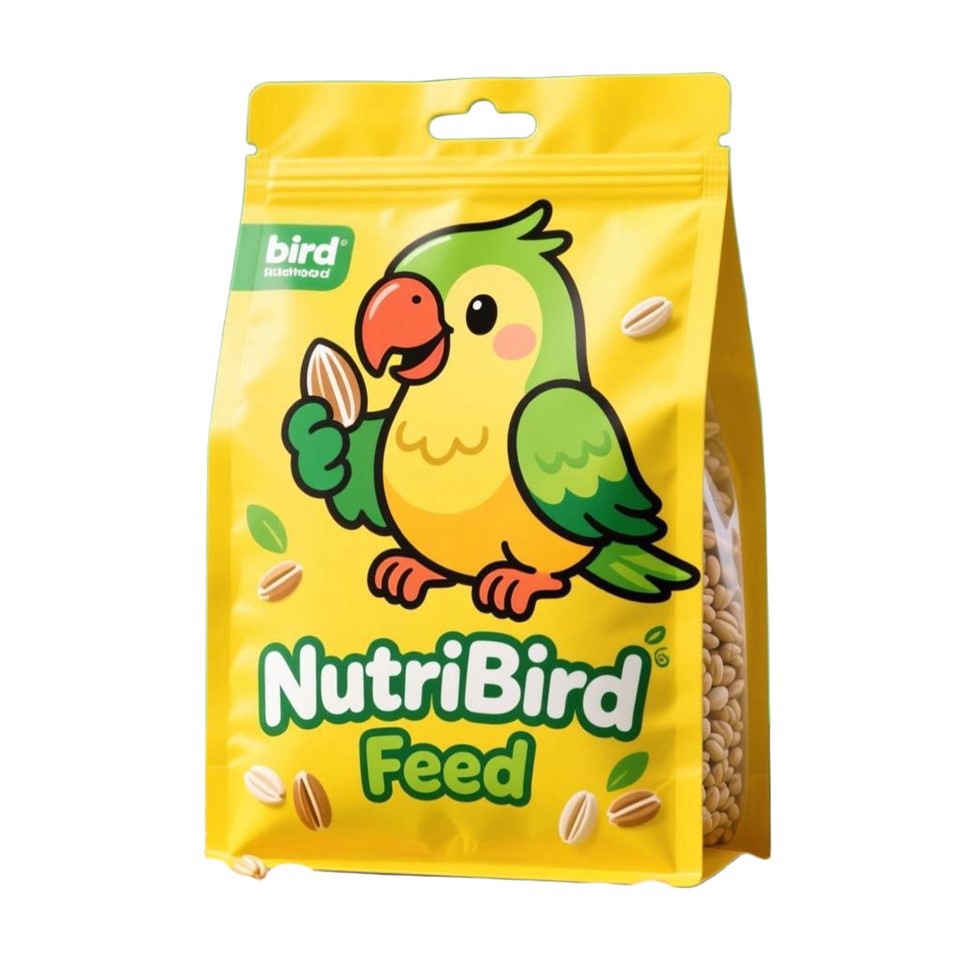
Another type of plastic film is polypropylene (PP). PP has excellent tensile strength and tear - resistance. It is also known for its clarity, which allows consumers to see the bird seeds inside the package. This transparency can be a marketing advantage, as it gives customers a clear view of the product quality.
The tear - resistance of plastic films can be further enhanced through the use of additives. For example, adding a small amount of elastomers to the plastic formulation can improve its flexibility and tear - resistance. These additives can absorb the energy from tearing forces, preventing the propagation of tears.
Paper - Based Materials
Paper - based materials, such as kraft paper, are also used in bird seed packaging. Kraft paper is known for its strength and durability. It has a high tear - resistance, especially when it is made from long - fiber wood pulp. The natural fibers in kraft paper interlock, creating a strong structure that can resist tearing.
However, paper - based materials are more susceptible to moisture damage compared to plastic films. To address this issue, paper packages can be coated with a moisture - resistant layer, such as wax or a polymer coating. This not only protects the bird seeds from moisture but also helps to maintain the tear - resistance of the paper.
Metal Cans
Metal cans, typically made of aluminum or steel, offer extremely high tear - resistance. They are virtually impervious to tearing, providing a high level of protection for bird seeds. Metal cans are also airtight, which helps to preserve the freshness of the bird seeds for a long time.
However, metal cans are more expensive than plastic films and paper - based materials. They are also heavier, which can increase transportation costs. Despite these drawbacks, metal cans are often used for premium bird seed products, where the added protection and durability are worth the extra cost.
Testing Tear - Resistance of Packaging Materials
To ensure the quality of our bird seed packaging, we conduct various tests to measure the tear - resistance of different materials. One of the most common tests is the Elmendorf tear test. In this test, a specimen of the packaging material is clamped in a tester, and a pendulum is used to tear the specimen. The energy required to tear the specimen is measured, and this value is used to determine the tear - resistance of the material.
Another test is the trouser tear test. In this test, a specimen of the material is cut in a trouser - like shape, and the two legs of the "trouser" are pulled apart at a constant speed. The force required to tear the material is measured, and this provides an indication of the material's tear - resistance in a specific direction.
We also perform real - world simulations to test the tear - resistance of our packaging. For example, we subject packages to different levels of stress during transportation, such as stacking, vibration, and impact. By observing how the packages perform under these conditions, we can identify any potential weaknesses in the tear - resistance of the packaging materials.
Choosing the Right Tear - Resistant Packaging Material
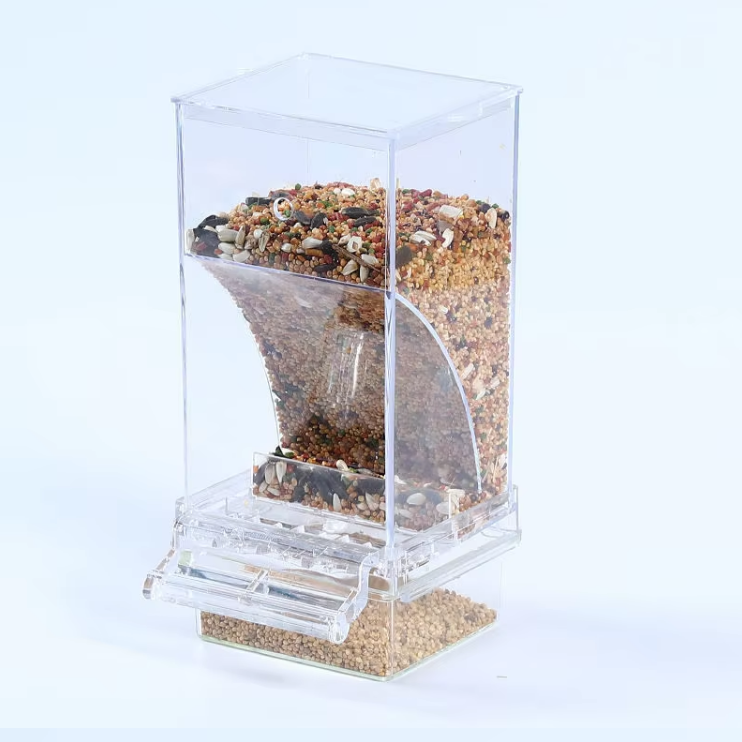
When choosing a tear - resistant packaging material for bird seeds, several factors need to be considered. Firstly, the size and weight of the bird seed package play a crucial role. Larger and heavier packages require materials with higher tear - resistance to ensure that they can withstand the stress during handling and transportation. For example, a Bird Food Container Large may need a more robust packaging material compared to a small sachet of bird seeds.
Secondly, the intended storage and handling conditions should be taken into account. If the bird seed packages are going to be stored in a humid environment, a moisture - resistant and tear - resistant material, such as a coated paper or a plastic film, would be a better choice. On the other hand, if the packages are likely to be subject to rough handling, a material with high tear - resistance, like metal cans or HDPE plastic, would be more suitable.
Cost is also an important consideration. As a supplier, we need to balance the cost of the packaging material with its tear - resistance and other properties. We aim to provide our customers with high - quality, tear - resistant packaging at a reasonable price.
Our Commitment as a Bird Seed Packaging Supplier
At our company, we are committed to providing the best Bird Seed Packaging solutions. We continuously research and develop new packaging materials and technologies to improve the tear - resistance of our products. Our team of experts works closely with customers to understand their specific needs and recommend the most suitable packaging materials.
We also ensure that our packaging processes are optimized to maintain the tear - resistance of the materials. From the selection of raw materials to the final packaging production, we follow strict quality control measures to guarantee the integrity of our products.
Contact Us for Your Bird Seed Packaging Needs
If you are in the market for high - quality, tear - resistant bird seed packaging, we would love to hear from you. Our experienced sales team is ready to discuss your requirements and provide you with customized packaging solutions. Whether you need small - scale or large - scale packaging, we have the expertise and resources to meet your needs. Contact us today to start a conversation about your bird seed packaging requirements and take the first step towards ensuring the quality and integrity of your bird seed products.
References
- ASTM International. (Year). Standard test methods for determining the tear resistance of plastic film and thin sheeting by the pendulum method (Elmendorf).
- Packaging Machinery Manufacturers Institute. (Year). Best practices for testing packaging materials.
- Smith, J. (Year). The science of packaging materials: A comprehensive guide.


