

Sustainable packaging has evolved from an optional marketing feature into an absolute necessity for the cosmetics industry. Driven by strict international regulations (such as the EU PPWR) and shifting consumer preferences, beauty brands are redesigning primary and secondary packaging around three core material strategies.
Below is an analysis of the primary sustainable packaging trends defining 2026 and beyond.
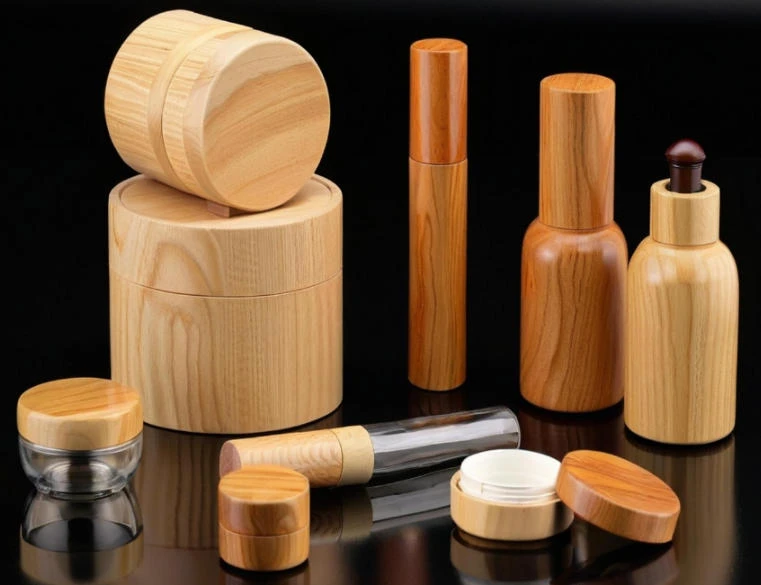
Key Sustainable Packaging Material Strategies
── 1. Biodegradable Polymers (PLA, PHA)
── 2. Primary Paperboard & Molded Fiber Packaging
── 3. Mono-Material & PCR Closed-Loop Systems
── 4. Connected Packaging (Scannable Data Carriers)
Trend 1: Biodegradable & Bio-Based Polymers Gain Market Share
Polylactic acid (PLA), polyhydroxyalkanoates (PHA), and other bio-based polymers are increasingly replacing traditional fossil-fuel plastics in cosmetic packaging. Thanks to advancements in material science, modern bioplastics now offer clarity, barrier protection, and tensile strength comparable to virgin PET or PP-while breaking down cleanly at end-of-life under commercial composting conditions.
Trend 2: Paper & Molded Fiber Transition to Primary Packaging
Paper-based packaging is expanding far beyond secondary outer cartons into direct-contact primary containers. Modern manufacturing innovations enable:
Molded Fiber & Compressed Pulp Jars: Engineered for anhydrous creams and powders.
Paper-Based Tubes & Stick Formats: Specially lined with bio-resins to house lip balms, solid deodorants, and butter sticks.
Carton-Based Fluid Containers: Replacing heavy glass or plastic bottles, significantly lowering overall package mass and transport carbon footprints.
Trend 3: Recyclable Materials & Circular Supply Chains
To satisfy circular economy requirements, beauty brands are engineering packaging for recyclability from the initial CAD phase:
| Circular Strategy | Engineering & Material Execution | Environmental & Regulatory Benefit |
| Mono-Material Construction | Single-resin assemblies (100% PP or 100% PET) across caps, pumps, and bottles | Eliminates the need for consumer disassembly and simplifies municipal recycling streams |
| High-Ratio PCR Content | Integrating Post-Consumer Recycled resin (30% to 100% PCR) into jars and bottles | Reduces virgin plastic consumption and lowers Scope 3 carbon emissions |
| Closed-Loop Reclamation | Brand-sponsored take-back programs and reverse-logistics partnerships | Ensures collected empties are reprocessed back into food- or cosmetic-grade materials |
What's Next: The Intersection of Digital & Physical Packaging
Digital technology is becoming an integral component of sustainable packaging. On-pack scannable data carriers (such as QR codes) now serve as gateways to:
Recycling Instructions & Sorting Guides: Contextual disposal instructions tailored to specific geographic markets.
Carbon Transparency & Supply Chain Verification: Instant access to Life Cycle Assessment (LCA) data and material origin certificates.
Refill & Digital Passport Systems: Streamlining bottle refill tracking and compliance with Digital Product Passport (DPP) frameworks.
Strategic Takeaway
Building a future-proof cosmetics brand requires moving beyond surface-level environmental claims toward verified material engineering and circular design.
At Medellin Packaging, we invest continuously in biopolymer research, primary paperboard tooling, high-purity PCR sourcing, and smart packaging integration-giving your brand the verified, high-performance packaging solutions needed to lead in 2026 and beyond.


